
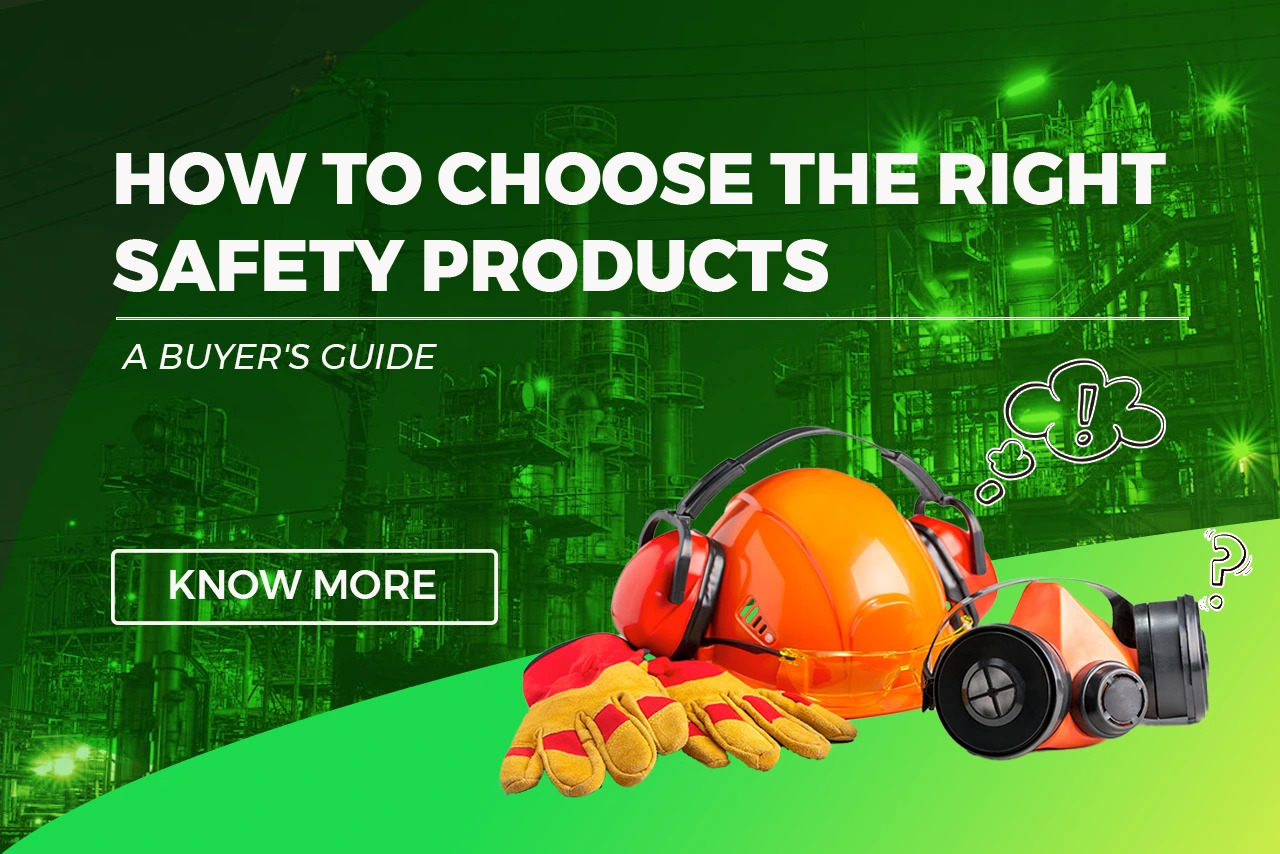
Choosing the right safety equipment is critical to protecting lives, ensuring compliance, and maintaining operational continuity. This practical guide breaks down key factors like risk assessment, certifications, durability, and supplier reliability to help businesses make informed and effective safety decisions.
How to Choose the Safety Products: A Practical Buyer's Guide
Choosing the wrong safety product is not a minor mistake, it can be disastrous. An incorrect helmet, an uncertified harness, or poorly fitted protective gear can turn a manageable risk into a life-altering incident. In industrial environments, assumptions cost more than money; they cost safety, compliance, and operational continuity.
Every workplace has unique hazards. Selecting safety equipment without evaluating those risks leads to under-protection, regulatory penalties, and avoidable liability. A disciplined buying approach ensures that protection aligns with real-world exposure. This guide outlines how to choose the right safety equipment with clarity, precision, and long-term thinking.
Why You Need a Reliable Safety Equipment Supplier
Safety equipment is not a one-time purchase. It requires ongoing supply, certification clarity, technical guidance, and after-sales reliability. A dependable supplier does more than sell products, they help interpret standards, recommend application-specific solutions, and ensure product authenticity.
Without a reliable supplier, organizations risk inconsistent quality, counterfeit products, delayed deliveries, and compliance gaps. A structured partnership ensures continuity, documentation support during audits, and consistent safety standards across locations. In safety procurement, supplier reliability directly impacts operational stability.
5 Key Points to Remember When Buying Safety Equipment
Choosing safety gear requires structured evaluation, not impulse decisions. The following principles help ensure protection is practical, compliant, and long-lasting.
Overview & Context
Conduct a Proper Risk Assessment
Conduct a Proper Risk Assessment
Before purchasing any equipment, identify the actual hazards in your workplace. Are you dealing with fall risks, chemical exposure, electrical hazards, confined spaces, or heavy machinery? Each risk category demands specific protective solutions.Evaluate frequency of exposure, severity of potential injury, and environmental conditions. A helmet suitable for light industrial work may not meet requirements for high-impact construction sites. The right purchase begins with accurate hazard identification, not assumptions.
Verify Safety Standards and Certifications
Verify Safety Standards and Certifications
Certification is non-negotiable. Safety products must comply with recognized standards such as ISI, CE, ANSI, or other industry-specific regulations depending on application.Always request documentation and verify authenticity. Certified equipment ensures it has been tested for performance, durability, and impact resistance under controlled conditions. Without certification, equipment may fail under stress, exposing workers and organizations to significant risk. Compliance protects both lives and legal standing.
Prioritize Fit, Comfort, and Ergonomics
Prioritize Fit, Comfort, and Ergonomics
Even the most advanced safety equipment fails if workers avoid wearing it due to discomfort. Ill-fitting harnesses, heavy helmets, or rigid footwear reduce compliance at ground level.Look for adjustable straps, breathable materials, proper weight distribution, and ergonomic design. Equipment should support long-duration usage without causing strain. A well-fitted product increases worker acceptance and reduces fatigue-related incidents.
Assess Durability and Material Quality
Assess Durability and Material Quality
Safety equipment must withstand harsh environments, heat, moisture, dust, chemicals, and continuous wear. Evaluate material strength, stitching quality, buckles, fasteners, and overall build integrity.Low-cost alternatives may degrade quickly, leading to frequent replacements and higher long-term costs. Durable equipment ensures consistent protection and better return on investment. Quality should be measured not by price alone, but by lifecycle performance.
Balance Budget with Long-Term Value
Balance Budget with Long-Term Value
Cost matters, but cutting corners in safety procurement is expensive in the long run. Poor-quality gear increases replacement frequency, risk exposure, and potential accident costs.Set a realistic budget aligned with hazard severity and regulatory demands. View safety equipment as a long-term investment in workforce protection and operational continuity. The cheapest option rarely delivers the best protection.
Final Word
Choosing the right safety equipment is not about filling a procurement checklist. It is about protecting lives, maintaining compliance, and ensuring uninterrupted operations. The right product matters, but the right partner matters more.
At Sarvam Safety Equipment Private Limited, we combine certified products, industry expertise, and dependable supply systems to help organizations make confident safety decisions. From risk assessment guidance to bulk procurement support, our approach ensures that protection is aligned with real workplace demands.When safety cannot be compromised, neither should your supplier. Choose Sarvam, where reliability, compliance, and long-term partnership define every transaction.

